
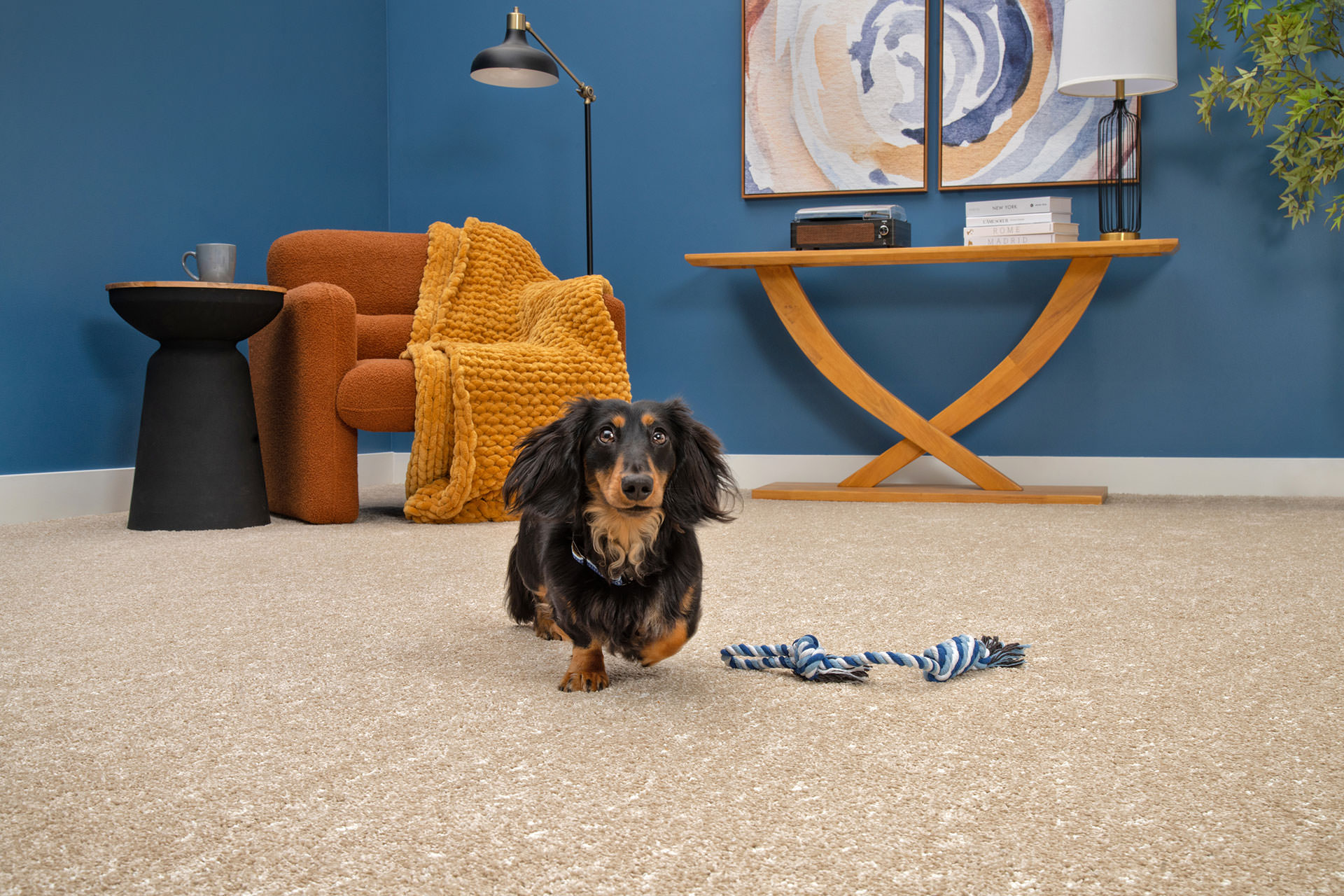
If you are choosing between carpet and laminate, the hard part usually is not spotting the visual difference. It is figuring out which one will still make sense after a few Oklahoma summers, a wet dog running in from the yard, furniture getting moved, and daily traffic wearing on the floor in ways a showroom sample never shows. A lot of homeowners start by comparing price or appearance, then realize later that comfort, noise, cleaning, and moisture exposure matter just as much. In Oklahoma City homes, that gets even more important because slab foundations, seasonal humidity swings, and changing indoor conditions can affect how flooring feels and performs over time. Carpet and laminate can both be good choices, but they solve different problems. The better decision usually comes from matching the flooring to the room, the household, and the way the home actually lives.
What Changes When You Compare Daily Living Instead of Display Samples
Carpet and laminate create very different day-to-day experiences, even when they look like close competitors on budget. Carpet is softer underfoot, quieter, and typically more forgiving in bedrooms, family spaces, and homes where comfort matters most. It tends to make a room feel warmer and less echo-prone, which can matter more than people expect in multi-level homes or busy households with kids and pets.
Laminate usually wins when a homeowner wants a harder surface feel, easier pickup of surface debris, and a look closer to wood without moving into hardwood pricing. It handles routine foot traffic well, and many people like that pet hair, dust, and crumbs are more visible and easier to sweep up. The tradeoff is that visibility cuts both ways: dirt shows sooner, sound carries more, and the floor feels firmer and cooler.
That difference in comfort is not minor. In bedrooms, many homeowners still prefer carpet because getting out of bed onto a softer, quieter surface simply feels better. In high-use living areas, laminate may feel cleaner and more durable to some families, especially if they are tired of dealing with carpeted traffic lanes. The right answer depends less on which one is “better” overall and more on which compromises you are willing to live with every day.
Durability Is Not Just About Wear Layer or Stain Resistance
A common mistake is assuming carpet is the delicate option and laminate is the durable one. Real durability is more specific than that. Carpet durability depends on fiber type, density, pad quality, and how much dirt, pet activity, and repeated traffic the room gets. A well-chosen carpet can perform very well in the right room, but the wrong carpet in a busy hallway will usually show its age faster than homeowners expect.
Laminate has its own limits. It generally resists surface wear well, but it is less forgiving when moisture gets involved and can sound or feel different depending on the subfloor and installation quality. In Oklahoma City homes, where slab conditions and seasonal moisture variation are real factors, the condition beneath the floor matters as much as the product itself. If the floor is not properly evaluated before installation, performance problems may show up later in the form of movement, noise, edge issues, or wear patterns that seem confusing to the homeowner.
Durability also includes how a floor ages visually. Carpet may hold up structurally but start looking tired in traffic paths. Laminate may remain intact while showing scratches, edge wear, or the effects of repeated exposure near exterior doors or kitchen transitions. That is why broad product claims are not enough. The better comparison is room by room, based on actual use, cleaning habits, and exposure conditions in the home.
Maintenance and Noise Are Where Many Decisions Become Clearer
If a homeowner is on the fence, maintenance and sound often break the tie. Carpet hides dust and minor debris better than laminate, which some people like and others do not. It does need regular vacuuming and occasional deep cleaning, especially in homes with pets, allergies, or heavy foot traffic. Spills need attention quickly, and some households simply do not want that level of upkeep.
Laminate is easier to sweep and spot-clean on the surface, but it is not maintenance-free. Dirt and grit can act like sandpaper over time, and standing moisture is a bigger concern. That matters around entryways, dining areas, and any space where wet shoes, pet bowls, or routine spills are part of life. Many people think hard surface automatically means easier forever, but that depends on whether the room stays reasonably dry and whether the floor is cleaned in a way that does not introduce excess moisture.
Noise is another issue people underestimate until after installation. Carpet absorbs sound. Laminate reflects it. In a quiet showroom, that may not seem like a major factor, but in a real home it can change how the entire space feels. Footsteps, dropped objects, pet nails, and general movement tend to be more noticeable on laminate. For some households, that is no problem. For others, especially in bedrooms, upstairs rooms, or open living spaces, it becomes one of the biggest reasons they wish they had chosen differently.
The Best Choice Often Depends on the Room, Not the Whole House
Most Oklahoma City homeowners do not need one flooring answer for every room. They need the right flooring for how each area functions. Carpet often makes more sense in bedrooms, nurseries, and spaces where comfort, warmth, and noise control matter most. It can also be a strong value when replacing flooring across several bedrooms because it delivers comfort without pushing the project cost as high as some hard-surface alternatives.
Laminate usually makes more sense in living rooms, hallways, and other visible common areas where people want a wood-look floor and easier daily surface cleanup. It can be especially appealing in homes with active families that want a harder-wearing look in shared spaces. But kitchens, utility areas, and moisture-prone zones require a more careful conversation, because “hard surface” alone does not automatically mean “best for water exposure.”
A practical way to think about the split is this:
- Choose carpet where softness, warmth, and quiet matter most
- Choose laminate where appearance, surface cleanup, and traffic resistance matter more
- Be more cautious in any room with regular moisture exposure
- Base the decision on the home’s actual conditions, not just the showroom sample
That room-by-room approach often leads to a better outcome than trying to force one product through the entire house for simplicity alone.
Will Carpet Actually Cost Less Than Laminate in My Rooms?
Sometimes, but not from shelf price alone. Product grade, pad, removal, room shape, transitions, and subfloor prep all affect installed cost. Carpet can be a strong value across several bedrooms, while laminate may make more sense in shared rooms where surface cleanup and a wood-look finish matter more. Compare the complete scope for the rooms you are changing.
Will Laminate Be Easier to Live With If You Have Pets?
Often for hair and surface cleanup, but that is not the whole pet question. Nails, accidents, water bowls, muddy entries, and the amount of daily running all matter. Laminate can show scratches or suffer from repeated moisture; carpet can retain stains and odor. The better fit depends on where the pet spends time and which kind of cleanup you would rather manage.
Does an Oklahoma Slab Make Carpet or Laminate the Safer Choice?
Not automatically. The slab’s flatness, visible moisture concerns, room use, and the installation system matter more than the product label. Carpet and pad may feel warmer and quieter; laminate needs a properly prepared surface and careful moisture planning. The home should be evaluated before either option is treated as the default.
Will Mixing Carpet and Laminate Make the House Feel Choppy?
Not if the split follows how the rooms are used and transitions are planned well. Carpet in bedrooms and laminate in shared living areas can feel intentional because each material has a clear job. Problems arise when changes happen mid-room, transition heights are awkward, or adjacent finishes compete. Plan the boundaries before choosing colors.
Making the Choice Easier in Your Home
The useful comparison is not carpet versus laminate in the abstract. It is which one fits your rooms, your household habits, and your home’s conditions better. For some Oklahoma City homeowners, that means carpet in bedrooms and laminate in main living areas. For others, it means staying with carpet because comfort and noise control matter more than a hard-surface look.
The easiest way to avoid a mismatch is to evaluate the home before choosing the product. That includes how the rooms are used, what slab or subfloor conditions are visible, where moisture tends to show up, and how much wear the flooring will actually take. An in-home estimate gives you a room-by-room comparison of traffic, comfort, transitions, and visible floor conditions before you choose. That makes it easier to see which option fits your layout, budget, and long-term expectations without paying for a mismatch later.